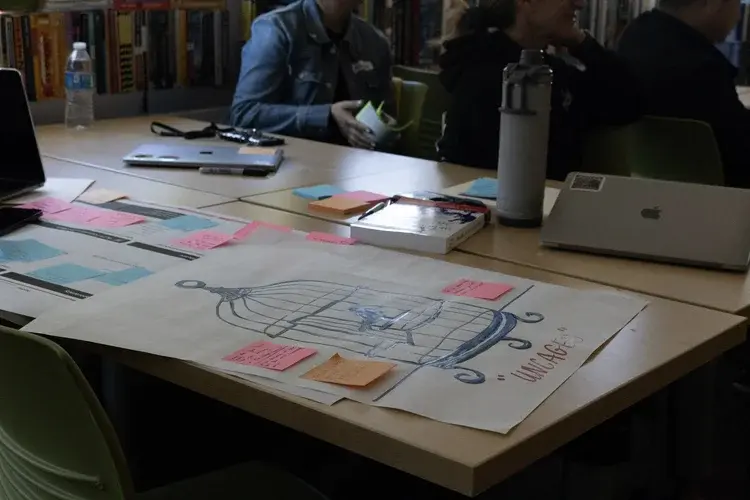
Design Thinking Isn't a Framework. It's a Toolkit That Outlives Classrooms.
d.tech alum Miriam Brody, now an HCI PhD student at UW, on how design thinking built her habits of empathy, iteration, and accessible design.

Dr. Ken Montgomery is the Co-Founder of Design Tech High School @ Oracle, located on the Oracle corporate campus in Redwood Shores, CA. Ken has served as the executive director for over ten years now. Ken completed his PhD in administration and policy analysis at Stanford University. While at Stanford Ken published several articles about school leadership and developed a school leadership course. As a teacher Ken held a variety of positions and won several awards including being named a member of the USA Today All-teacher team and becoming a National Board Certified teacher. Current partnerships focus on dimensions of Human Agency with researchers at Stanford University, Georgetown University, and Penn State University.
d.tech alum Miriam Brody, now an HCI PhD student at UW, on how design thinking built her habits of empathy, iteration, and accessible design.
Discover how design thinking nurtures essential problem-solving skills in high school students, preparing them for diverse careers through empathy and exploration.
Discover how design thinking fosters essential skills for students, empowering them with human agency to thrive in an uncertain future shaped by AI.
Explore how college can be a gamble, and discover strategies to help students maximize their experience and ensure they come out as winners.
Explore how AI like ChatGPT influences our writing habits, shifting us from creators to revisers and raising concerns about deep understanding and creativity.
Exploring the impact of AI in education reveals urgent questions about student purpose and the future of learning, urging a reevaluation of our goals.
Explore the complex relationship between ChatGPT and creativity, examining potential motivations and implications for future generations of creators.
Explore how redefining education as a public good can transform societal values, shifting focus from credentials to collective benefit in student learning.